

Europe from South Africa
Paris, Brussels, Amsterdam, Rome, Florence, Venice. Multi-country itineraries built around the leave days South Africans actually have — with the trains between cities included.
See our Europe toursEurope Travel Guide — Tours from South Africa
Europe at a glance
- Flight time from Johannesburg
- 11–14 hours, direct or one connection
- Visa for SA passport holders
- Schengen visa required. One visa covers 29 countries
- Currency
- Euro (EUR)
- Language
- French, Dutch, Italian. English widely spoken
- Best time to visit
- May and September
- Spending money guidance
- From R10,000. Lunches and dinners are not included
- Time difference
- Same as South Africa, or 1 hour behind
- Plugs
- Type C, E and F — the European two-pin
Last reviewed August 2026. Visa and entry rules change — always confirm with the embassy before booking.
When to visit Europe, month by month
| Month | Weather | Crowds | Price | Our verdict |
|---|---|---|---|---|
| January–March | Cold, 2–12°C | Quiet | Lowest | Genuinely cold and dark early. Cheapest by a distance. |
| April | Cool, 7–16°C | Building | Medium | Spring arriving. Still needs a coat. |
| May | Mild, 11–20°C | Moderate | Medium | One of our two picks. Long days, comfortable walking. |
| June | Warm, 14–24°C | Busy | Medium-high | Lovely, and filling up. |
| July–August | Hot, 17–32°C | Extremely busy | Highest | Peak. Rome and Venice in August are hot and crowded. |
| September | Mild, 13–24°C | Easing | Medium-high | Our other pick. Our departures land here. |
| October | Cool, 9–18°C | Moderate | Medium | Autumn colour, thinner crowds, bring layers. |
| November–December | Cold, 3–12°C | Quiet, then festive | Low to high | Cold. Christmas markets from late November are a real draw. |
Our Europe tours
-
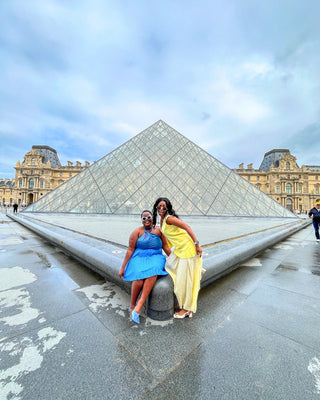 France, Netherlands & Belgium Tour | 23 - 31 May 2027
From R 49,800
· R 3,000 deposit
France, Netherlands & Belgium Tour | 23 - 31 May 2027
From R 49,800
· R 3,000 deposit
-
France, Netherlands & Belgium Tour | 27 Sept - 5 Oct 2026
From R 46,800
· R 3,000 deposit
-
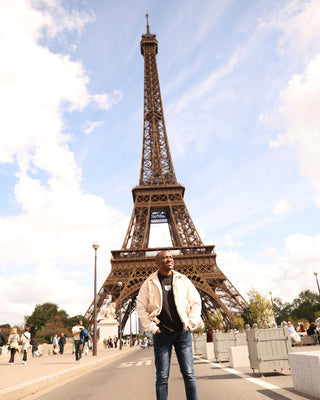 Italy & Paris Tour | 20 - 29 September 2026
From R 51,800
· R 3,000 deposit
Italy & Paris Tour | 20 - 29 September 2026
From R 51,800
· R 3,000 deposit
-
France, Netherlands & Belgium Tour | 8 - 16 August 2027
From R 49,800
· R 3,000 deposit
- Switzerland & France Tour | 4 - 13 July 2027 From R 67,800 · R 3,000 deposit
- Spain & Portugal Tour | 13 - 21 June 2027 From R 45,800 · R 3,000 deposit
-
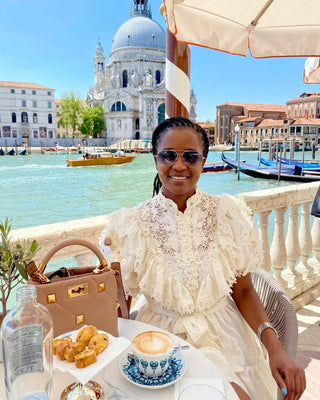 Italy Tour | 19 - 28 September 2027
From R 41,800
· R 3,000 deposit
Italy Tour | 19 - 28 September 2027
From R 41,800
· R 3,000 deposit
-
Italy Tour | 20 - 28 September 2026
From R 41,800
· R 3,000 deposit
What our travellers say
I’ve traveled to Dubai, Mozambique and Namibia with Thrifty Travel. Every moment of each trip was enjoyed to the fullest. The entire team from tour guides to transport team to the suppliers used are always professional. Can’t wait for my next trip with Thrifty Travel
Best of the best, Thrifty adventures is the best. A big thank you to our tour guide Mnr Jeff. Victoria falls, Zambia, Botswana.
Sandwich harbour on the Namibia tour was my highlight. I loved this more as the sights on the drive in the desert/on the dunes was breathtaking, and the picnic was a nice treat. The tour leaders; Sam and Jeff were awesome with my son. They really put effort in making him comfortable. I really appreciate it so much, he can't stop talking about the trip. Thank you so much …this was my 3rd trip with Thrifty and I hope to come back for more. Congratulations to you
Europe: your questions answered
Which Europe tour should I choose?
We run three, and they suit different people.
France, Belgium & Netherlands — nine days across Paris, Brussels and Amsterdam. Three countries, three very different cities, all connected by high-speed train. The best introduction to Europe if it is your first time.
Italy — nine days across Rome, Florence and Venice. History, art and food, with the high-speed trains included. Choose this if the Colosseum and the Vatican are what pull you.
Italy & Paris — twelve days, the full Italy itinerary and then on to Paris to join the other group. Two countries, five cities. Our longest European trip, and the one to take if you can get the leave.
Do I need a Schengen visa?
Yes — South African passport holders need a Schengen visa for all of these countries. One visa covers all 29 Schengen countries, so a multi-country itinerary does not mean multiple applications.
It has a reputation for being difficult and in our experience that is mostly undeserved. Through Capago or VFS Global the process is usually quicker than people expect, with appointment slots generally available within days.
Apply as early as you reasonably can. Not because you will be waiting, but because it leaves room to reapply if anything needs strengthening. Applying three weeks out gives you no margin.
Apply to the country where you will spend the most nights. We supply the flight and accommodation confirmations you need.
How do we get between cities?
High-speed trains, and they are included in the tour price. Paris to Brussels, Brussels to Amsterdam, Rome to Florence to Venice — all by rail.
European trains are fast, comfortable and go city centre to city centre, which means no airport transfers eating into your day. It is a considerably better way to travel than short-haul flights.
Within each city we use the local metro, trams and the hop-on tour bus. All affordable and easy to navigate.
What is Brussels like? It is not an obvious choice.
Brussels is a hidden gem, and it is the city our travellers are most surprised by.
It is small — you can walk most of it — but there is a great deal to see and do, and the people are genuinely warm. The Grand Place, Mont des Arts, the Atomium and Parc du Cinquantenaire are the highlights, and the food and chocolate are worth the trip on their own.
People arrive treating it as the stop between Paris and Amsterdam. They leave rating it.
And Paris?
Everybody wants to go, and it delivers. The Eiffel Tower, the Louvre, Notre-Dame, the Champs-Élysées and a Seine River cruise.
Disneyland Paris is an optional our travellers love — particularly families, but not only families. The Palace of Versailles is the other popular optional.
Most people arrive in Paris with a plan already in mind, which is fine. Just leave room for the famous cafés and simply walking the city, which is half the point.
And Amsterdam?
A beautiful city and an easy one to enjoy — canals, gables, bicycles everywhere and the Adam Lookout for the view.
On our France, Belgium & Netherlands tour you get a free Saturday in Amsterdam with full-day tour tickets provided. Entry to some sites is free; others charge, payable at cost on the day.
For those interested, the Red Light District at night is another thing people go for. It is a normal part of visiting the city.
What should I know about Italy?
Rome is the Colosseum, the Roman Forum, Palatine Hill, the Pantheon and the Vatican. Note that Vatican Museums entrance is optional at own cost — book it online well ahead, because walk-up queues are long.
Florence is the Duomo, which you can climb, plus Ponte Vecchio and the Uffizi Gallery.
Venice is the canals, and a full free day to wander. A gondola ride is optional.
Shoulders and knees must be covered for the Vatican and churches — they turn people away.
How much spending money do I need?
From R10,000, and be realistic. Lunches and dinners are not included and Europe is expensive if you do not plan.
The difference between an affordable European trip and a painful one is almost entirely about where you eat and what you pay to enter. We show our travellers the affordable places and steer them away from the tourist-trap pricing near the major sites.
Budget separately for entrance fees — the Louvre, the Vatican, the Colosseum and the Uffizi all charge, and they add up.
What should I pack?
Check the forecast the week before you fly. This matters more in Europe than anywhere else we go. We have had one group travel in shirtsleeves and the next group, a week later, need coats — in the same month.
May and September in particular can swing considerably. Bring layers and a light waterproof.
Comfortable walking shoes above everything. European cities are walked, and cobblestones are unforgiving.
Can I pay off a Europe tour in instalments?
Yes, and most people do. R3,000 secures your spot on a tour costing up to R51,800. We then invoice the balance with a card payment link, or you settle by EFT in instalments before departure. No interest, no credit check.
Europe is where this matters most — it is our most expensive region, and paying it off across several months is what makes it reachable.